
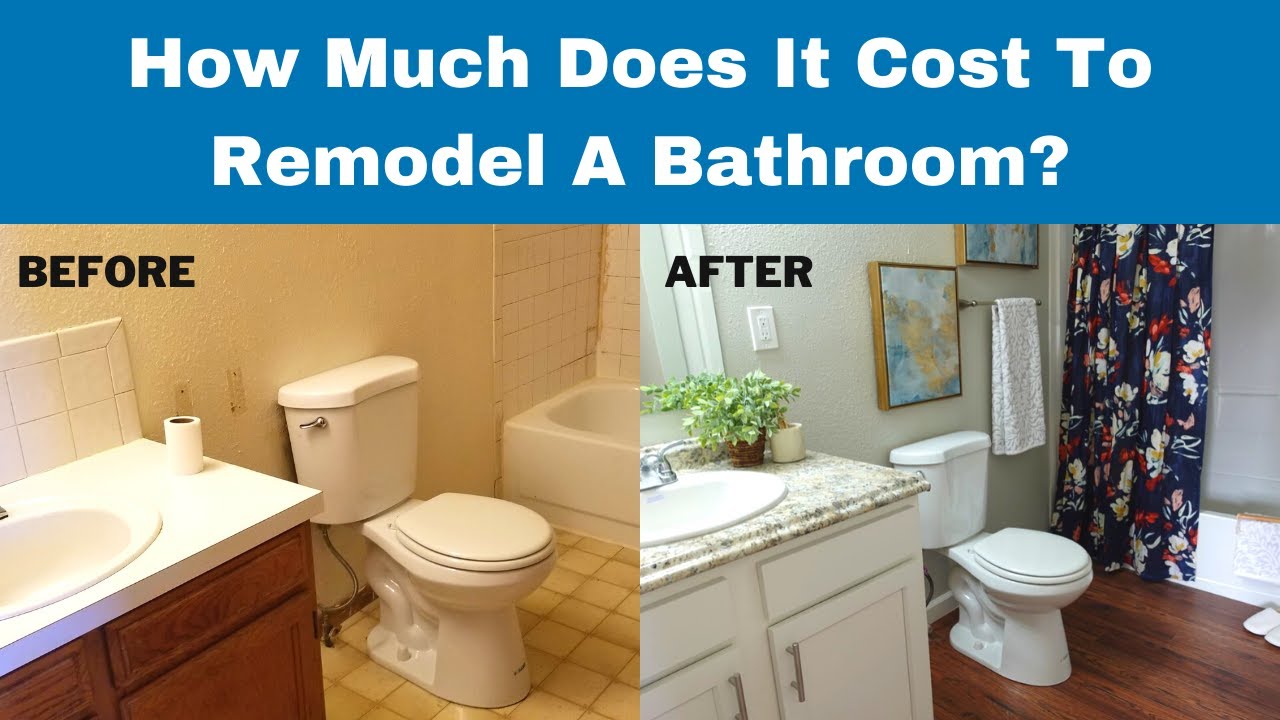
A bathroom remodel is one of the highest-return home improvement projects a homeowner can take on, but it’s also one of the most variable in terms of price. Ask five different contractors what a remodel costs and you might get five very different numbers — not because anyone is padding an estimate, but because “bathroom remodel” can mean anything from swapping out a vanity to gutting the room down to the studs. Before you request quotes, it helps to understand what actually drives the cost, so you can budget realistically and know what you’re comparing when the estimates come in.
Average Bathroom Remodel Cost
Nationally, bathroom remodels typically fall into three tiers. A cosmetic refresh — new paint, fixtures, vanity, and flooring, without moving plumbing — usually runs $3,500 to $8,000. A mid-range remodel that includes a new tub or shower, updated tile, new lighting, and possibly minor layout adjustments typically lands between $10,000 and $20,000. A full gut renovation, especially one that relocates plumbing or expands the footprint, can run $20,000 to $35,000 or more, depending on the finishes chosen.
For a standard-sized bathroom (roughly 5×8 feet), most homeowners land somewhere in the $12,000–$18,000 range for a quality mid-range remodel that touches most surfaces without a full layout change.
What Drives the Cost of a Bathroom Remodel
Scope of work. The single biggest cost factor is how much of the room is being touched. Replacing a vanity and repainting is a fraction of the cost of removing tile down to the subfloor, relocating a toilet, or reconfiguring a shower.
Plumbing changes. Moving a toilet, sink, or shower drain even a few feet can add significant labor and permitting costs, since it typically involves cutting into the floor or wall to reroute pipes.
Materials and finishes. Tile, countertops, and fixtures span a huge price range. Ceramic tile and a laminate countertop cost far less than natural stone and custom cabinetry — this single decision can shift a budget by thousands.
Structural or moisture damage. Older bathrooms, especially in homes exposed to the Pacific Northwest’s wet climate, sometimes reveal subfloor damage or rot once demolition begins. This is common enough that it’s worth budgeting a contingency of 10–15% for surprises.
Labor and permits. Licensed plumbing and electrical work, along with local permitting requirements, add cost but are non-negotiable for a code-compliant remodel — especially if the project touches wiring near water sources.
Size of the bathroom. Larger bathrooms naturally cost more simply due to the added square footage of tile, flooring, and fixtures.
Cost Comparison by Remodel Type
| Remodel Type | Typical Cost Range | What’s Typically Included |
|---|---|---|
| Cosmetic refresh | $3,500 – $8,000 | Paint, vanity, fixtures, flooring — no plumbing moves |
| Mid-range remodel | $10,000 – $20,000 | New tub/shower, tile, lighting, minor layout tweaks |
| Full gut renovation | $20,000 – $35,000+ | Complete demo, plumbing relocation, custom finishes |
| Half-bath / powder room update | $3,000 – $7,000 | Smaller footprint, fewer fixtures to replace |
| Primary bathroom expansion | $25,000 – $45,000+ | Footprint changes, structural work, high-end finishes |
These ranges are starting points, not guarantees — the only way to know your actual cost is a detailed, in-home or photo-based assessment of your specific bathroom.
Ways to Manage Your Remodel Budget
Homeowners often assume the only way to control cost is to choose cheaper materials, but there are smarter ways to manage a budget without sacrificing quality. Keeping the existing plumbing layout, rather than moving fixtures, is one of the biggest cost-savers available. Choosing a mix of splurge and save items — like a nicer tile for a small accent wall paired with a simpler floor tile — lets you get a high-end look without a high-end price tag everywhere. It’s also worth discussing a phased approach with your contractor if the full scope doesn’t fit your current budget; some projects can be split into a structural phase now and a cosmetic phase later.
Signs It’s Time for a Bathroom Remodel
Beyond wanting an updated look, there are practical signs that point to remodel timing:
- Persistent moisture, mold, or a musty smell that cleaning doesn’t resolve
- Cracked or discolored grout and tile that’s beyond simple regrouting
- An outdated layout that no longer fits how the household uses the space
- Soft or spongy flooring near the tub or shower, often a sign of underlying rot
- Fixtures that are original to a much older home and no longer efficient or functional
If any of these apply, it’s worth getting an assessment sooner rather than later — moisture-related damage tends to spread and gets more expensive to fix the longer it’s left alone.
Getting an Accurate Quote
Because scope varies so widely, a reliable quote should walk through exactly what’s being replaced, whether plumbing or electrical will move, what materials are being used, and a labor timeline. A vague, single-number estimate with no breakdown is harder to trust than one that itemizes the work — ask for specifics before committing.
Raught Prevention Homes handles bathroom remodeling projects throughout Stanwood and the surrounding areas, from cosmetic refreshes to full renovations, with clear communication at every stage.
Frequently Asked Questions
1. How long does a bathroom remodel typically take?
A cosmetic refresh can take one to two weeks, while a mid-range remodel usually takes three to five weeks. A full gut renovation, especially with plumbing changes, can run six to eight weeks or longer.
2. Do I need a permit for a bathroom remodel?
Most remodels involving plumbing, electrical, or structural changes require a permit. Cosmetic-only updates, like painting or swapping a vanity, usually don’t — but it’s worth confirming with your contractor for your specific project.
3. Is it worth moving the toilet or shower to a new location?
It depends on your goals. Relocating fixtures adds cost due to plumbing rerouting, but it can significantly improve layout and functionality in an awkward or cramped bathroom. A contractor can help weigh the cost against the benefit.
4. What’s the return on investment for a bathroom remodel?
Bathroom remodels typically recoup 60–70% of their cost at resale, making them one of the better-performing renovation investments, especially for outdated or single-bathroom homes.
5. Can I remodel just part of the bathroom instead of the whole room?
Yes. Partial remodels — like updating only the shower or only the vanity area — are common and can stretch a budget further while still making a noticeable difference.
Conclusion
A bathroom remodel’s true cost comes down to scope, plumbing changes, material choices, and the condition of what’s behind the walls once demolition starts. Understanding these factors ahead of time makes it easier to set a realistic budget and evaluate contractor quotes with confidence. Raught Prevention Homes — reach out today for a clear, honest quote on your bathroom remodel in Stanwood, WA and the surrounding areas.