
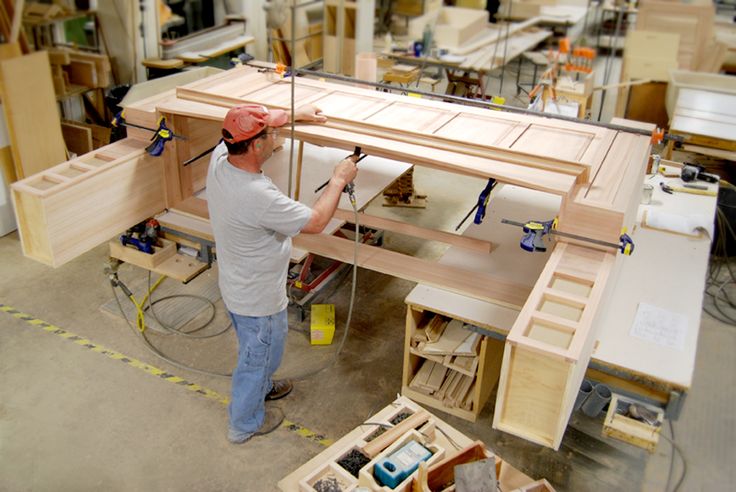
Cabinets shape how a kitchen, bathroom, or laundry room actually functions long before anyone notices their style. They determine how much can be stored, how efficiently a space is used, and whether daily tasks feel organized or cluttered. Homeowners planning a remodel eventually face the same decision: stock cabinets, semi-custom options, or fully custom cabinetry, and understanding the real differences between them prevents a costly mismatch between expectations and results.
Stock, Semi-Custom, and Fully Custom Cabinets Compared
The cabinet market offers three general tiers, and the differences go well beyond price. Each option fits a different combination of budget, timeline, and space requirements.
| Feature | Stock Cabinets | Semi-Custom Cabinets | Fully Custom Cabinets |
|---|---|---|---|
| Size flexibility | Fixed standard sizes | Limited size adjustments | Built to exact measurements |
| Material and finish options | Very limited | Moderate selection | Unlimited, homeowner’s choice |
| Fit for irregular spaces | Poor | Fair | Excellent |
| Storage optimization | Generic layout | Some customization | Fully tailored to needs |
| Lead time | Fastest | Moderate | Longest, built to order |
| Long-term durability | Lower, mass-produced | Moderate | Highest, precision-built |
The size flexibility row is where most homeowners with older or oddly shaped homes run into trouble with stock or even semi-custom options. A kitchen with a nonstandard ceiling height, an awkward corner, or a wall that is not perfectly square often ends up with wasted space or a visibly imperfect fit when standard-sized cabinets are forced into place. Fully custom cabinetry is built specifically for that space, which eliminates the gaps, filler panels, and mismatched proportions that come with trying to make a generic product fit a unique room.
Where Custom Cabinets Make the Biggest Difference
Kitchens are the most common place homeowners invest in custom cabinetry, simply because kitchens carry the heaviest storage demands in a home. Custom cabinets can be designed around specific needs, whether that means a deep pull-out pantry, integrated spice storage next to a range, or cabinetry built to accommodate an oversized refrigerator or a nonstandard appliance layout that stock cabinets were never designed to handle.
Bathrooms benefit in a different way, since plumbing and fixture placement often create constraints that stock cabinetry cannot work around cleanly. Custom vanities can be built to route around existing plumbing without the awkward cutouts or reduced storage that come with adapting a pre-made cabinet to fit an existing bathroom layout.
Laundry rooms and built-in storage areas, often overlooked during a remodel, also gain significantly from a custom approach. These spaces are frequently irregular in shape, and custom cabinetry can maximize every inch, something a standard-sized unit purchased off the shelf simply cannot achieve.
Material and Craftsmanship Considerations
The material selected for custom cabinetry affects both appearance and long-term durability, and this is an area where custom builds offer a clear advantage over stock alternatives. Solid hardwoods, plywood boxes rather than particleboard, and higher-grade hardware all contribute to cabinetry that holds up to daily use far longer than mass-produced options built to a lower price point.
Precision joinery is another factor that separates custom work from factory-produced cabinets. Dovetail joints, properly aligned face frames, and doors that stay square over years of use all come from careful craftsmanship rather than automated assembly. Homeowners who have lived with lower-quality stock cabinets often notice this difference within just a few years, as doors begin to sag or drawers stop closing smoothly, issues that well-built custom cabinetry is specifically designed to avoid.
The Design and Installation Process
A custom cabinet project typically begins with an in-depth conversation about how the space will actually be used, not just how it should look. Storage priorities, workflow patterns in a kitchen, and specific items that need dedicated space all inform the design before a single measurement is taken.
From there, precise measurements of the existing space account for any irregularities in walls, ceilings, or floors, ensuring the finished cabinetry fits without the gaps or shims often needed to make stock units work in an imperfect space. Material and finish selection follows, giving homeowners full control over wood species, door style, hardware, and finish rather than choosing from a limited pre-set catalog.
Installation is where precision craftsmanship becomes most visible. Every cabinet is set level, secured properly, and adjusted for a seamless fit with surrounding trim and finishes. Homeowners planning this kind of project benefit from working with a team experienced specifically in custom cabinet installation, since getting these final details right is what separates cabinetry that looks built-in from cabinetry that simply looks installed.
Budgeting for Custom Cabinetry
Custom cabinets carry a higher upfront cost than stock alternatives, and homeowners should plan for that difference realistically rather than being surprised by it mid-project. That said, the cost gap narrows considerably when factoring in the added value custom cabinetry brings to resale, the reduced likelihood of needing replacement within a decade, and the storage efficiency gained from a layout designed specifically around how the space is used.
Timeline is the other major factor to plan around. Because custom cabinetry is built to order rather than pulled from existing stock, lead times are longer, and homeowners should factor this into their overall renovation schedule to avoid delays at the finishing stage of a remodel.
Frequently Asked Questions
How much longer does custom cabinetry take compared to stock options? Custom cabinets are built to order, so lead times are typically several weeks longer than stock cabinets, which are usually available for quicker installation since they come pre-manufactured in standard sizes.
Is custom cabinetry worth it for a smaller kitchen? Often, yes. Smaller kitchens benefit significantly from cabinetry designed to maximize every available inch, something standard-sized stock units are rarely able to achieve in a tight or irregular layout.
Can custom cabinets be designed to match an existing kitchen island or trim? Yes. One of the advantages of custom cabinetry is matching finishes, wood species, and hardware precisely to existing elements in the home, creating a cohesive look that mismatched stock pieces often cannot replicate.
Do custom cabinets require different maintenance than stock cabinets? Not significantly. Maintenance mostly depends on the material and finish selected rather than whether the cabinetry is custom or stock, though higher-quality construction generally holds up better to daily wear over time.
Making a Decision That Lasts
Cabinets are one of the few elements in a remodel that homeowners interact with dozens of times a day, which makes the fit, function, and durability far more important than they might initially seem. Choosing between stock, semi-custom, and fully custom cabinetry ultimately comes down to how much the space’s specific quirks and storage needs matter, and for homes with irregular layouts or specific functional requirements, custom cabinetry consistently delivers the better long-term result.
Homeowners planning a kitchen, bathroom, or storage upgrade who want cabinetry built specifically around their space, rather than adapted to fit it, will find that the extra investment pays off in daily usability for years to come. Raught Prevention Homes brings the craftsmanship and precision needed to design and install custom cabinetry that fits a home exactly as intended, from initial design through final installation.