
A deck is one of the few home upgrades that pays you back twice — once every evening you spend outside on it, and again when it’s time to sell. But not every deck is built the same, and not every builder delivers the same results. If you’re weighing your options, understanding what goes into quality deck construction will help you avoid costly mistakes and get a structure that lasts for decades.
This guide walks through everything you need to know: what deck building actually involves, why it matters, how the process works, the warning signs of a failing deck, repair versus replacement, and how to keep damage from creeping in over time.
What Is Deck Building, Exactly?
Deck building is the process of designing and constructing an outdoor platform attached to or standing near your home — typically made from wood, composite, or PVC materials — that extends your living space outdoors. It’s more involved than most homeowners expect. A well-built deck isn’t just boards nailed to posts; it’s a structural system that has to handle weight, weather, moisture, and years of foot traffic without shifting, sagging, or rotting.
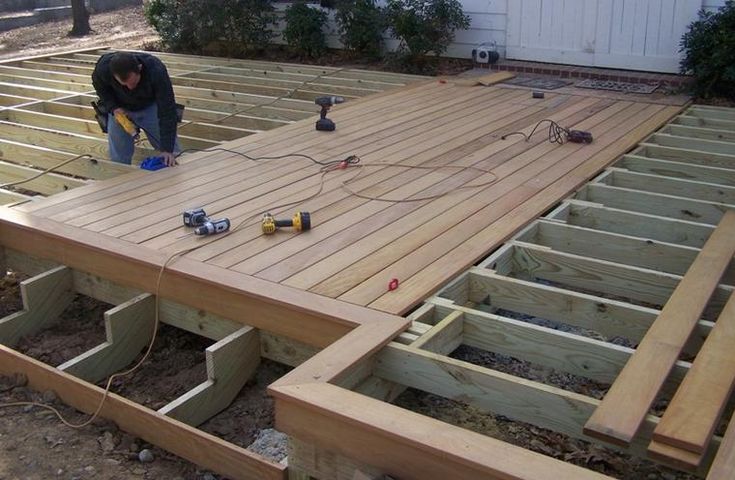
The build includes footings and posts set below the frost line, a ledger board properly flashed against the house, joists spaced to code, decking boards fastened correctly, railings that meet safety height requirements, and often stairs, lighting, and finishing touches. Skip or rush any one of these steps and the whole structure is compromised.
Why Deck Building Matters
A deck does more than give you somewhere to put a grill. Here’s what’s actually at stake when you build one:
- Home value — A well-built deck is consistently one of the higher-return renovation projects, often recovering a large share of its cost at resale.
- Usable living space — It extends your square footage outdoors, which matters more than ever for entertaining, relaxing, or simply enjoying your yard.
- Safety — A poorly built deck is a liability. Collapses, loose railings, and rotted boards cause real injuries every year.
- Long-term cost — Cutting corners during construction almost always costs more later in repairs, replacements, or worse, full rebuilds.
This is why choosing the best deck building services for your project isn’t a place to shop purely on price. The cheapest bid today can easily become the most expensive deck you ever own.
How Deck Building Works: The Process
Every reputable builder follows a similar sequence, even if the details vary by material and design.
1. Design and Planning This starts with a conversation about how you’ll use the space — dining, lounging, hot tub, grilling station — and a look at your yard’s layout, sun exposure, and slope. A good builder also checks local permit requirements and HOA rules before anything is finalized.
2. Material Selection You’ll choose between pressure-treated wood, cedar, composite, or PVC decking, each with different costs, maintenance needs, and lifespans. This decision affects nearly every part of the build that follows.
3. Permitting Most municipalities require a permit for any deck attached to the house or elevated above a certain height. Skipping this step can create problems when you sell the home later.
4. Footings and Framing Concrete footings are set below the frost line to prevent shifting from freeze-thaw cycles. Posts, beams, and joists are then installed to form the structural skeleton the rest of the deck relies on.
5. Decking Installation Boards are laid and fastened, whether that’s traditional wood, composite planks, or PVC. Spacing matters here — too tight and boards can buckle when they expand; too loose and they trap debris and moisture.
6. Railings, Stairs, and Finishing Railings are installed to meet code height and spacing requirements, stairs are built for safe rise-and-run ratios, and finishing touches like post caps, lighting, or skirting are added.
7. Final Inspection A final walk-through — and in many areas, an official inspection — confirms the deck meets safety and building code standards before it’s signed off as complete.
If you’re researching what this looks like for your own property, our custom deck building services page walks through the full range of options available, from simple backyard decks to fully designed outdoor entertainment spaces.
Signs You Need a New Deck or Deck Repair
Decks age gradually, and the early signs are easy to miss. Watch for these indicators:
- Soft or spongy boards — Usually a sign of wood rot underneath the surface finish.
- Loose or wobbly railings — A safety issue that needs immediate attention, not a “someday” fix.
- Visible gaps or separation between the deck and the house at the ledger board — a serious structural red flag.
- Rust stains around fasteners — Indicates corroding hardware that’s losing its grip strength.
- Sagging or uneven sections — Often points to failing joists or shifted footings.
- Cracked or splintering wood — Beyond cosmetic; it signals the wood is drying out and losing structural integrity.
- Mold, mildew, or persistent discoloration — A sign moisture isn’t draining properly.
Catching these early is the difference between a manageable repair and a full rebuild.
Deck Repair vs. Deck Replacement
| Factor | Repair Makes Sense When… | Replacement Makes Sense When… |
|---|---|---|
| Structural frame | Footings, posts, and joists are solid | Frame shows rot, shifting, or pest damage |
| Age of deck | Under 10-15 years old | Past 15-20 years, nearing end of lifespan |
| Extent of damage | Isolated to a few boards or railings | Widespread across multiple sections |
| Cost comparison | Repair costs are a small fraction of rebuild cost | Repair costs approach 50%+ of replacement cost |
| Code compliance | Deck already meets current codes | Deck predates current safety codes |
| Material condition | Decking is intact, only fasteners or finish need work | Decking itself is cracked, warped, or rotted throughout |
A trustworthy builder will always inspect before recommending either option — repair when it’s genuinely sound, replacement when patching would just delay the inevitable.
How to Avoid Deck Damage Over Time
Prevention is far cheaper than repair. A few habits go a long way:
- Clean regularly — Sweep away leaves and debris that trap moisture against the wood.
- Reseal or stain on schedule — Wood decks typically need resealing every 1-3 years depending on climate and sun exposure.
- Check fasteners annually — Loose or rusted screws and nails should be replaced before they fail.
- Keep gutters and downspouts clear — Water runoff from the roof shouldn’t pool near or under your deck.
- Trim nearby vegetation — Plants growing against the deck trap moisture and speed up rot.
- Inspect footings after freeze-thaw seasons — Shifting ground can move footings out of alignment over time.
- Address small issues immediately — A loose board today is a safety hazard next season if ignored.
Popular Deck Materials Compared
Choosing the right material shapes your budget, maintenance routine, and how long the deck lasts. Here’s how the most common options stack up:
| Material | Lifespan | Maintenance | Upfront Cost | Best For |
|---|---|---|---|---|
| Pressure-Treated Wood | 10-15 years | High (annual sealing/staining) | Lowest | Budget-conscious builds |
| Cedar | 15-20 years | Moderate (periodic staining) | Mid-range | Natural look, insect resistance |
| Composite | 25-30 years | Low (occasional cleaning) | Higher | Low-maintenance, consistent color |
| PVC | 30+ years | Very low | Highest | Long-term durability, moisture-heavy climates |
Pressure-treated wood remains popular because it’s affordable and easy to work with, but it demands the most upkeep. Composite and PVC decking cost more upfront but save significantly on maintenance over the life of the deck, which is why many homeowners planning to stay in their home long-term choose them despite the higher initial price.
Popular Deck Styles and Layouts
Deck building isn’t one-size-fits-all. Common layouts include:
- Attached decks — Connected directly to the home, typically off a kitchen, dining room, or living area for easy indoor-outdoor flow.
- Multi-level decks — Built in tiers to work with sloped yards or to separate different zones like dining, lounging, and a fire pit area.
- Wraparound decks — Extend along two or more sides of the home, maximizing outdoor space and views.
- Freestanding decks — Not attached to the house, often used for pool areas, gardens, or detached entertaining spaces.
- Rooftop or elevated decks — Built above garages or lower structures, requiring extra structural engineering.
The right layout depends on your yard’s shape, how you plan to use the space, and your home’s existing architecture. A skilled builder will walk the property with you before recommending a design rather than defaulting to a standard rectangle.
What Affects Deck Building Cost
Several factors drive the final price of a deck project, and understanding them helps you evaluate quotes more accurately:
- Size and square footage — Larger decks require more material and labor hours.
- Material choice — As shown above, composite and PVC cost more than pressure-treated wood.
- Height and grade — Decks built on a slope or elevated significantly need additional footings and structural support.
- Railing and stair complexity — Custom railings, glass panels, or multiple stair sections add labor and material cost.
- Permits and inspections — Fees vary by municipality but are a necessary part of a compliant build.
- Add-ons — Built-in seating, lighting, pergolas, and skirting all add to the total.
Getting a detailed, itemized quote — rather than a single lump-sum number — makes it much easier to compare builders fairly and understand exactly what you’re paying for.
Frequently Asked Questions
How long does it take to build a deck? Most standard residential decks take one to three weeks from the start of construction to final finishing, depending on size, material, and weather. Permitting timelines are separate and can add several additional weeks before work even begins.
Do I really need a permit for a deck? In most areas, yes — especially for any deck attached to the house or raised more than a few feet off the ground. Building without a required permit can create problems with insurance claims and complicate a future home sale.
Can an old deck be repaired instead of replaced? Often, yes, if the structural frame — footings, posts, and joists — is still sound. The comparison table above is a useful starting point, but a physical inspection is the only reliable way to know for sure.
How often should a wood deck be resealed? Generally every one to three years, depending on your climate, sun exposure, and how much foot traffic the deck sees. Decks in areas with harsh winters or intense summer sun typically need more frequent resealing.
Is composite decking really maintenance-free? Not entirely — composite still needs occasional cleaning to prevent mold and mildew buildup, but it doesn’t require staining or sealing the way wood does, which is where most of the maintenance savings come from.
Choosing the Best Deck Building Services
When comparing builders, look past the quote and ask about:
- Whether they pull permits and handle inspections
- What material warranties they offer
- How they handle ledger board flashing (a common failure point)
- References or photos from completed projects in your area
- Whether their crew is licensed and insured
A builder who’s upfront about all of this, and walks you through the process rather than rushing to a signature, is usually the one who’ll still stand behind the work years down the road. If you’re looking for a Trusted deck builder near me, it’s worth comparing a few local companies on exactly these points before committing.
Final Thoughts
A well-built deck is an investment that pays off in daily use and long-term home value — but only if it’s built right from the footings up. Understanding the process, knowing the warning signs of trouble, and staying ahead of maintenance will keep your deck safe and solid for decades. And when it’s time to build, choosing a builder who takes the details seriously makes all the difference between a deck you enjoy for years and one that becomes a recurring repair bill.
Raught Prevention Homes, LLC brings that same level of care to every outdoor build, combining quality materials, skilled craftsmanship, and attention to detail to create decks built to last.