
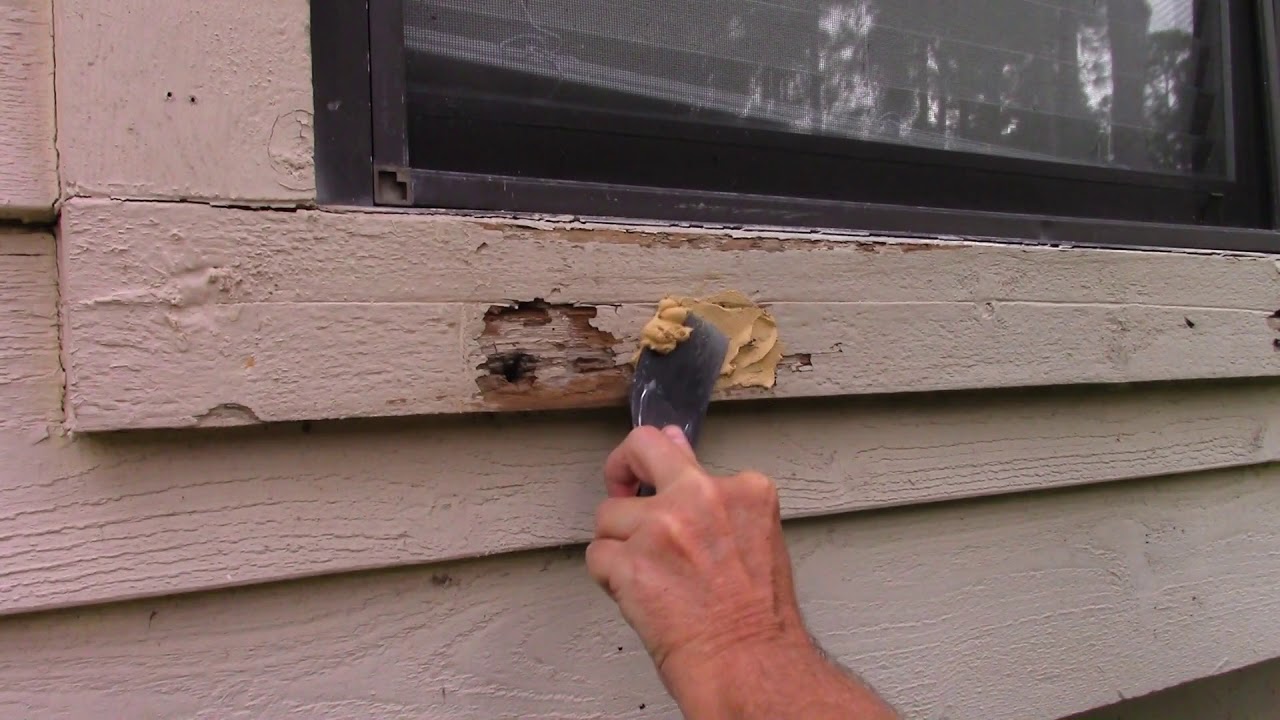
You press a finger into a windowsill or a porch post and it gives a little more than it should. Maybe there’s a slightly darker patch near the base of a deck beam, or paint that keeps bubbling no matter how many times it’s redone. Most homeowners notice these small signs and assume it’s cosmetic. Often, it’s not. It’s wood rot, and by the time it’s visible on the surface, it’s usually already spread further than it looks.
This guide walks through how to actually identify wood rot, why it spreads the way it does, and what separates a repair that solves the problem from one that just covers it up. For a closer look at how this gets handled on an actual property, these advanced wood rot repair services cover the process in more detail, but here’s what every homeowner should understand first.
What Wood Rot Actually Is
Wood rot is fungal decay that breaks down the wood fibers of a structure, caused by prolonged exposure to moisture combined with the right temperature conditions for fungal growth. There are two main types that show up in homes: dry rot, which can spread even in relatively dry conditions once established, and wet rot, which requires a consistent, ongoing moisture source to continue spreading.
The distinction matters for how it’s treated. Wet rot typically stops progressing once the moisture source is removed, meaning repair can sometimes be more localized. Dry rot behaves more aggressively, sending out root-like structures that can travel through masonry and other materials to reach new wood sources, which is why it often requires more extensive removal than the visible damage suggests.
Why Rot Spreads Further Than It Looks
This is the part that catches most homeowners off guard. Wood rot rarely stays contained to the spot where it’s first noticed. Fungal spores need moisture and organic material to survive, and wood grain runs continuously through a structural member, giving decay a direct path to travel along before it ever reaches the surface where someone can see it.
I’ve seen this play out on real jobs more times than I can count. What looks like a small soft patch on a deck post, once opened up, turns out to extend a foot or more into the structural connection point. The visible damage is almost always smaller than the actual damage, which is exactly why probing and proper inspection matter more than a visual check alone.
Wood Rot Myths vs. Reality
Because rot damage is often hidden until it’s advanced, a lot of assumptions get repeated that don’t hold up once you understand how decay actually spreads.
| Myth | Reality |
|---|---|
| “If the wood looks solid on the outside, it’s fine.” | Rot frequently starts internally or at a hidden connection point and isn’t visible until the surface finish has already failed. A probe test tells you far more than a visual check. |
| “A little rot can just be filled and painted over.” | Filler and paint address appearance, not the underlying moisture source or the decayed structural fibers. This approach almost always allows the rot to continue spreading underneath. |
| “Wood rot only affects old homes.” | Newer homes with poor flashing, inadequate ventilation, or improper grading can develop rot just as fast, sometimes faster, since the moisture source often goes unnoticed longer. |
| “Pressure-treated wood can’t rot.” | Pressure treatment slows decay significantly but doesn’t make wood immune, especially at cut ends, fastener points, or areas where the treatment has worn thin over time. |
| “If you can’t see fungus, it’s not active rot.” | Visible fungal growth is often a late-stage sign. Active decay can be breaking down wood fibers well before any surface fungus becomes visible. |
| “Replacing the damaged board fixes the problem.” | If the original moisture source, like poor drainage or failed flashing, isn’t corrected, new wood in the same location will eventually show the same damage. |
Where Wood Rot Shows Up Most Often
Rot isn’t random. It follows moisture, which means certain areas of a home are consistently higher risk than others.
Window and door frames — Failed caulking or flashing lets water track behind trim, where it stays trapped against wood with little airflow to dry it out.
Deck posts and ledger boards — Ground contact, poor drainage, and the connection point where a deck attaches to the house are some of the most common rot locations on any property.
Roof fascia and soffits — Clogged gutters and poor ventilation create consistent moisture exposure at the roofline, often for years before it’s noticed from the ground.
Porch columns and railings — Standing water at the base, combined with limited airflow around the wood, makes porch structures a frequent trouble spot.
Siding at grade level — Wood siding that sits close to soil or mulch beds stays damp far longer than siding higher up the wall, accelerating decay at the lowest boards.
What Proper Rot Repair Actually Involves
A repair that only addresses the visible damage tends to fail within a few years. A repair that actually solves the problem follows a more thorough process.
Probing and assessment — Before any cutting starts, the surrounding wood gets tested to find the actual extent of the decay, not just the visible portion.
Identifying the moisture source — Whether it’s failed flashing, poor drainage, or inadequate ventilation, the source has to be corrected or the repair won’t hold regardless of how well it’s done.
Removing all affected material — This usually means cutting back further than the visible damage suggests, since rot travels along the grain past what’s outwardly apparent.
Structural matching — Replacement material needs to match the load-bearing requirements of what it’s replacing, especially at structural connection points like deck framing or porch supports.
Sealing and finishing — Proper flashing, caulking, and paint or stain protect the new material and help prevent the same conditions from recurring.
Questions Worth Asking Before Repair Work Starts
A rot repair project is only as good as the assessment behind it. Before hiring anyone, these questions tend to separate a real fix from a temporary patch:
- Has the full extent of the decay been probed, or is the estimate based only on visible damage?
- What’s causing the moisture exposure, and is that being addressed as part of the repair?
- Is the replacement material rated for the structural role it’s filling, especially at load-bearing points?
- What’s being done to prevent the same area from developing rot again?
A contractor who walks through the moisture source and the actual extent of the damage, rather than just quoting a board replacement, is usually the one who understands what’s actually driving the problem.
Frequently Asked Questions
How can I tell if wood rot is active or just old damage? Active rot usually feels soft or spongy when pressed, and a screwdriver or probe will sink in easily. Old, dried-out damage tends to be more brittle and crumbly rather than soft.
Can wood rot spread to other parts of my home? Yes, particularly dry rot, which can travel through masonry and other materials to reach new wood sources, sometimes affecting areas well beyond the original point of damage.
Is it possible to stop wood rot without replacing the wood? Once wood fibers have decayed, filling or sealing alone won’t restore structural integrity. The decayed material needs to be removed, though the surrounding area can sometimes be treated to prevent further spread.
How much of the wood needs to be removed during a repair? This depends on how far the decay has traveled, which is why probing before repair matters. It’s common for the actual removal area to extend beyond what’s visibly damaged.
Does homeowners insurance cover wood rot repair? Coverage varies significantly by policy and cause. Rot resulting from a sudden covered event, like a burst pipe, is more likely to be covered than gradual decay from long-term moisture exposure or maintenance neglect.
Catching It Before It Spreads Further
Wood rot rarely announces itself clearly until the damage is more extensive than it appears from the surface. The homes that avoid major structural repairs are almost always the ones where a soft spot or discoloration got investigated early, rather than filled over and left to keep spreading underneath.
If you’re noticing signs of rot anywhere on your property, from a window frame to a deck post, it’s worth getting it properly assessed before the damage extends further than what you can see. Raught Prevention Homes, LLC has handled rot repair across homes at every stage of damage, from early-stage soft spots to full structural replacement.